


Crisis Response: Drug Addiction and Epidemics
- Boston Recovery Foundation

- Aug 5, 2025
- 2 min read
Updated: Nov 19, 2025

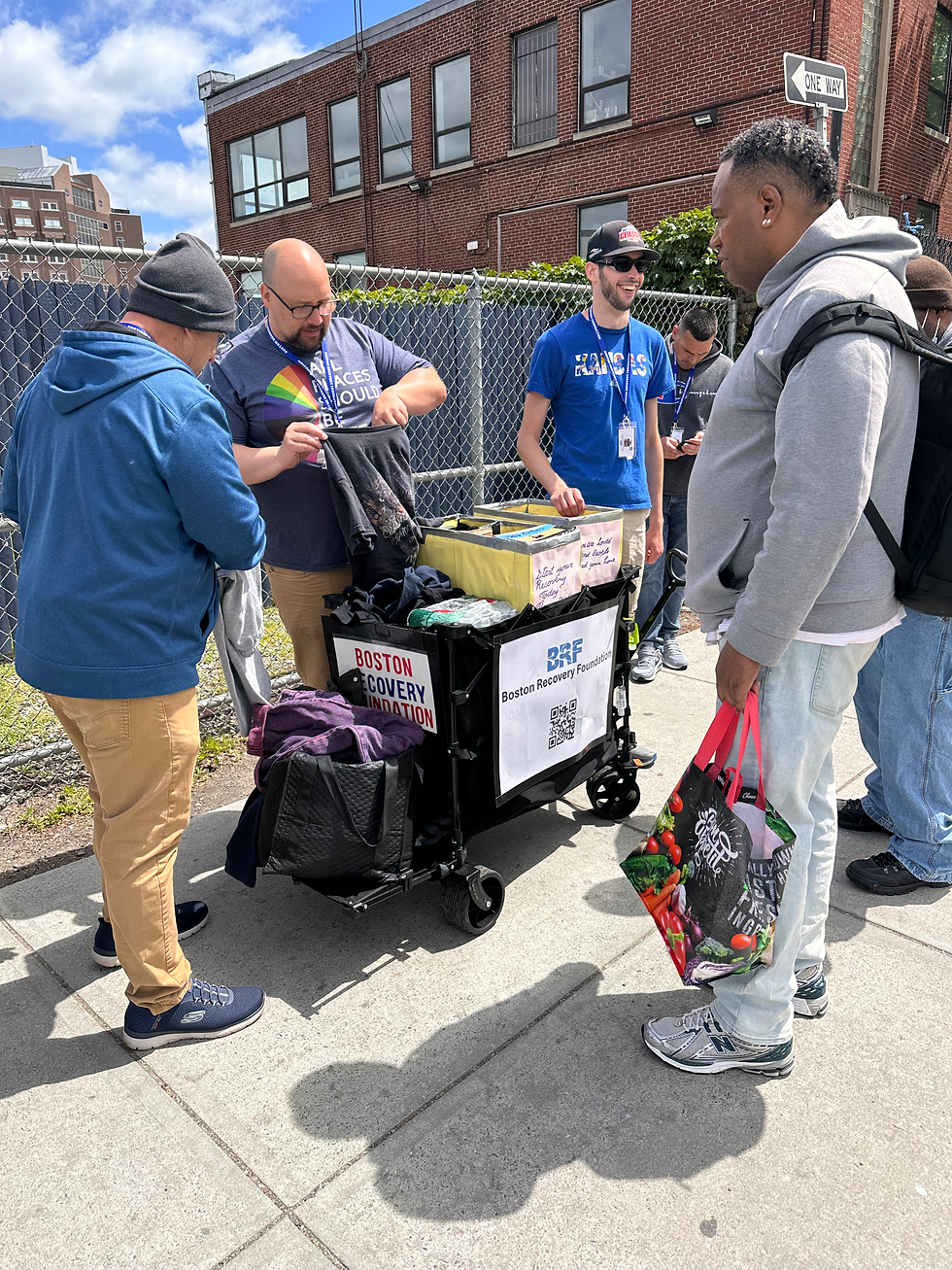
Over the past few months, our outreach efforts in Boston have revealed a significant shift in the demographics of individuals affected by the drug epidemic. Initially, our focus was on opioid addiction, primarily involving pills and heroin. However, heroin has virtually disappeared, replaced by synthetic opioids such as Fentanyl. Methamphetamine addiction has surged, and the crack epidemic has resurfaced. The extent of drug use is unprecedented, posing significant challenges to conventional treatment and recovery protocols. The devastating impact of addiction on individuals’ physical health is also unprecedented.
While we continue to witness progress in raising awareness, reducing the stigma associated with addiction, and decreasing overdose fatalities, we anticipate a rise in addiction among young people. This is evident in the increasing number of young individuals we encounter on the streets each week. These individuals are no longer predominantly suburban white youth.
We are currently grappling with three simultaneous epidemics: the fentanyl epidemic, the methamphetamine epidemic, and the crack epidemic. In addition, mental health disorders must be addressed in conjunction with addiction. The demographics affected are equally distributed among white, Hispanic, and black populations, with Asians represented in smaller numbers.
The response to the crack epidemic, which primarily impacted impoverished neighborhoods in major cities across the United States, including Boston, was rooted in stigmatization and incarceration. This approach further marginalized those struggling with addiction, sending them into hiding and denial rather than seeking necessary treatment programs. In contrast, the opioid epidemic, which initially affected predominantly white communities, was promptly recognized and treated as a public health issue at the national level.
We must ensure that even as demographics change, we continue to actively fight to combat addiction and provide compassionate support and resources to those in need. We cannot afford to slow down. Each of us can contribute to this cause. What actions are you taking to address this pressing issue?




Comments